

Q.4 2025

Data Points

A Selection of AIRINC Research Results

This quarter’s cost-of-living research was conducted primarily in Europe, Asia, and mainland Southeast Asia.

Housing Update

Snapshots of expatriate-quality rental markets around the world

Belgrade, Serbia

Bucharest, Romania

Colombo, Sri Lanka

Pakistan

Phnom Penh, Cambodia

Qingdao, China

Belgrade, Serbia

Belgrade rents have fallen over the past six months. Increased construction bumped up supply while expatriate- and relocation-driven demand cooled following the earlier surge of Russian and Ukrainian arrivals. Economic and political uncertainty has also slowed new leasing activity, leaving more stock available and pushing landlords to adjust pricing. Despite the broader downturn, prime units remain resilient with less softening.

Romania country map

Bucharest, Romania

Rents in Bucharest have been trending upward. Sustained inflation, higher construction and material costs, and the recent increase in VAT have all pushed both developers and landlords to adjust rents. Demand for newer, better-quality housing remains strong; however, availability has tightened this year, especially going into the winter months when turnover slows. New developments continue to draw interest, supporting stronger pricing in modern projects. Ongoing political and fiscal uncertainty could bring further tax adjustments which may put additional upward pressure on rental costs.

Colombo, Sri Lanka

Colombo’s rental market has tightened sharply over the past six months, driven by returning expatriates, corporate leases, and renewed confidence from multinationals. High-end homes remain scarce, with very limited new luxury supply due to stalled development over recent years. This shortage has pushed competition up, particularly for modern, furnished apartments and stand-alone houses in prime districts. As a result, top tier rentals are now achieving higher rents: premium-view units and executive-grade homes command the highest bids and lease quickly.
Pakistan

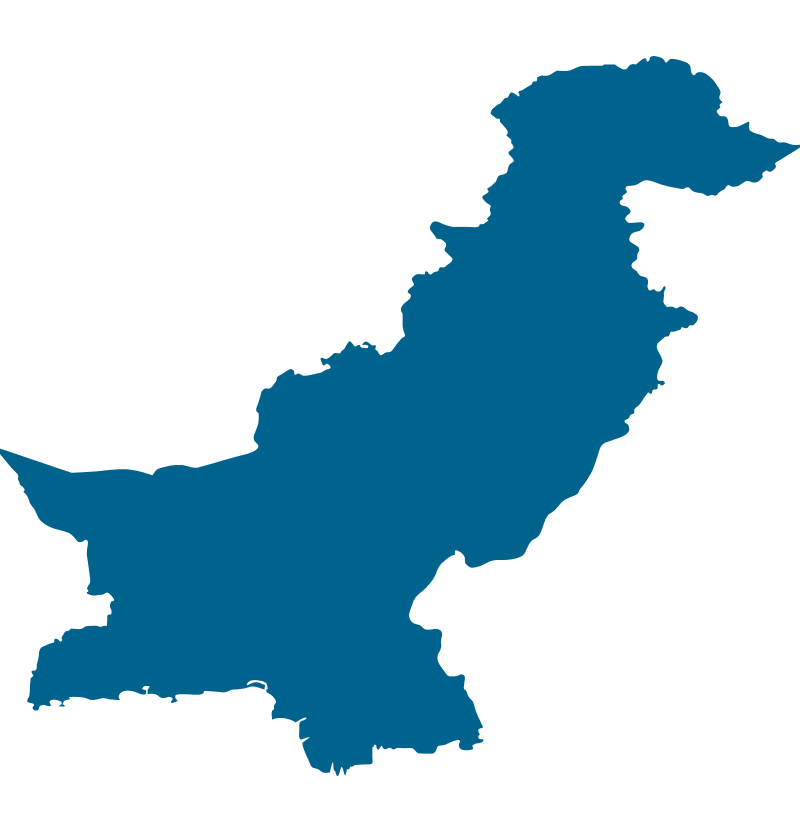
Rents are rising across Pakistan as demand for modern, managed housing grows among expatriates and affluent locals, allowing landlords to command higher rates. Recent policy changes, especially the federal government’s higher rent ceiling for employees, have further strengthened this trend. Construction has slowed due to tariff hikes and higher material costs, while rising mortgage rates are pushing more households toward renting. These pressures, combined with a persistent housing shortage and rapid urbanization, continue to tighten the market.

Cambodia country in blue

Phnom Penh, Cambodia

Rental prices have inflated, particularly for larger properties. This growth is driven by improved furnishing quality and a tightening supply of spacious homes, with overall vacancies still moderate. Ongoing political tensions between Thailand and Cambodia are limiting further market movement.

China country in blue

Qingdao, China

Qingdao’s expatriate rental market has seen a clear decline over the past year, driven by economic pressures and a drop in expatriate arrivals. Vacancies in premium neighborhoods have increased. Houses have held up better but are becoming scarce as many are converted into commercial spaces, making larger apartments the more realistic option for relocating expatriates. The market is expected to decline further before stabilizing as local demand strengthens and expatriate inflows gradually recover.

Goods and Services Update

Highlights from AIRINC’s in-depth research
Spotlight on: Bulgarian Lev

On January 1, 2026, Bulgarians will say goodbye to the Bulgarian lev and adopt the euro as their official currency. In doing so, Bulgaria becomes the 21st European Union member state to enter the Eurozone. As part of the convergence criteria, the European Central Bank has been monitoring Bulgarian financial institutions and the lev-to-euro exchange rate since 2020. The most recent country to join the euro area prior to Bulgaria was Croatia in 2023. All AIRINC data will reflect the new official currency in 2026.

Goods and Services Inflation

Selected locations with inflation higher than 5% for 6 months
Bangladesh
Bulgaria
Myanmar flag
Myanmar
Northern Cyprus flag
Northern Cyprus
Turkey

Selected 3-month Exchange Rate fluctuations of more than 5%

Belarus

Currency: BYN

Change vs EUR: 14.6%

Change vs USD: 15.4%

Democratic Republic of Congo

Currency: CDF

Change vs EUR: 26.5%

Change vs USD: 27.2%

Ethiopia

Currency: ETB

Change vs EUR: -7.4%

Change vs USD: -6.8%

Ghana

Currency: GHS

Change vs EUR: 6.1%

Change vs USD: 6.8%

Japan

Currency: JPY

Change vs EUR: -5.5%

Change vs USD: -4.8%

Russia

Currency: RUB

Change vs EUR: 5.3%

Change vs USD: 6.1%

South Korea

Currency: KRW

Change vs EUR: -5.8%

Change vs USD: -5.1%

Syria

Currency: SYP

Change vs EUR: 17.5%

Change vs USD: 18.3%

Venezuela

Currency: VES

Change vs EUR: -36.9%

Change vs USD: -36.3%

Country
Tax Update

Changes in expatriate tax

Aruba

Bangladesh

Bulgaria

Côte d’Ivoire

Equatorial Guinea

Iceland

Jersey

Nigeria

Rwanda

Syria

Aruba, 2025

A tax cut has been implemented for 2025, targeting tax relief for lower incomes and increasing purchasing power. The 10% rate for the first tax bracket (income up to AWG 34,930) has been reduced to zero. The net effect is a reduction in tax for all taxpayers that is capped at approximately AWG 3,500.

Bangladesh, 2025

Bangladesh has implemented tax changes for the 2025/2026 tax year (beginning July 1). The salary exemption has been revised: it will now be equal to the lesser of one third of employment income or BDT 500,000. The tax rates have been revised, with adjusted brackets and the top marginal tax rate increasing from 25% to 30%. The net effect varies by income level, with tax for lower incomes decreasing, and tax for higher incomes increasing. There are no mandatory social security contributions in Bangladesh.

Bulgaria, 2026

Bulgaria has adopted the euro, effective as of January 1, 2026. The conversion rate is BGN 1.95583 to EUR 1. All deductions and social security maximums have been restated in euros. The income tax rate is unchanged at a 10% flat tax rate.

Côte d’Ivoire, 2025

Major tax reform has been enacted in Côte d’Ivoire. The national government has merged several taxes on income (General Tax, National Contribution Tax, and Tax on Wages) into one progressive tax structure with a top marginal tax rate reduced from 37.5% to 32%. The standard 20% deduction and presumptive deduction have been abolished. The coefficient system has been replaced with dependent credits that vary by family size. The net effect is a reduction in tax for most taxpayers. Social security is unchanged.

Equatorial Guinea, 2025

The tax rate schedule has been adjusted, with the top marginal rate reduced from 35% to 25%. The net effect is a decrease in income tax and a small increase in social security for all taxpayers, as the Worker Protection Fund is calculated off of after-tax income.

Iceland, 2025

There have been adjustments to the State Tax Credit, Elderly Construction Fund tax, National Broadcasting Service tax, and the Child Benefit. The national tax rate brackets have been inflation-indexed with a top marginal tax rate of 31.35%. The flat rate state tax has increased from 14.93% to 14.94%. Social security is unchanged. The net effect is a decrease in income tax for most taxpayers.

Jersey, 2025

Jersey is phasing in a plan for married taxpayers to be taxed independently from a system that allowed tax filings jointly. Independent taxation for married couples will be mandatory as of 2026. The allowable annual maximum deduction for mortgage interest is also being phased out and will no longer be deductible from the beginning of 2026. For 2025, the mortgage deduction maximum has decreased from GBP 3,000 to GBP 1,500. The personal exemptions for taxpayers and dependent children have increased. The maximum for the Long-Term Care contribution has increased. The maximum for social security has increased. The net effect of these changes is a small increase in social security for higher incomes. The impact on tax varies by income level and family size.

Nigeria, 2026

Nigeria has enacted significant tax reform measures effective January 1, 2026. The Consolidated Relief Allowance (CRA) has been repealed and replaced by a new deduction for qualifying rents paid on a primary residence. The rent deduction is equal to 20% of rents paid, and the deduction is capped at NGN 500,000. The 1% minimum tax has been repealed. New tax brackets have been implemented with a top marginal rate increasing from 24% to 25%. Social security contribution rates are unchanged. The net effect of this tax reform varies by income level: generally, lower tax at lower incomes, and higher tax at middle and high incomes.

Rwanda, 2025

Normative deductions have been eliminated and the rates for social security have increased. The tax rate schedule is unchanged. The net effect is an increase in tax and social security for all taxpayers. The government has introduced higher contribution rates to the pension scheme that will be implemented over a 5-year period. For 2025, the total combined employee contribution rate increases from 10.8% to 14.3% of wages without limitation. The combined employer rate increases from 12.8% to 15.8% of wages without limitation. These rates are scheduled to gradually increase over the next 5 years, resulting in an additional 4% for both employees and employers as of January 1, 2030.

Syria, 2025

There are no changes to Syria individual taxation for tax year 2025. The new Syrian government has proposed tax reform for 2026. The proposals include abolishing the ‘schedular tax framework’ (where three different types of income are taxed separately) and replacing it with a framework that applies a single tax calculation to the combined taxable income. A progressive individual tax system with a top marginal tax rate of 8% is proposed. Deductions for medical expenses, education, rent, and mortgage interest are being considered.

Research Location Update

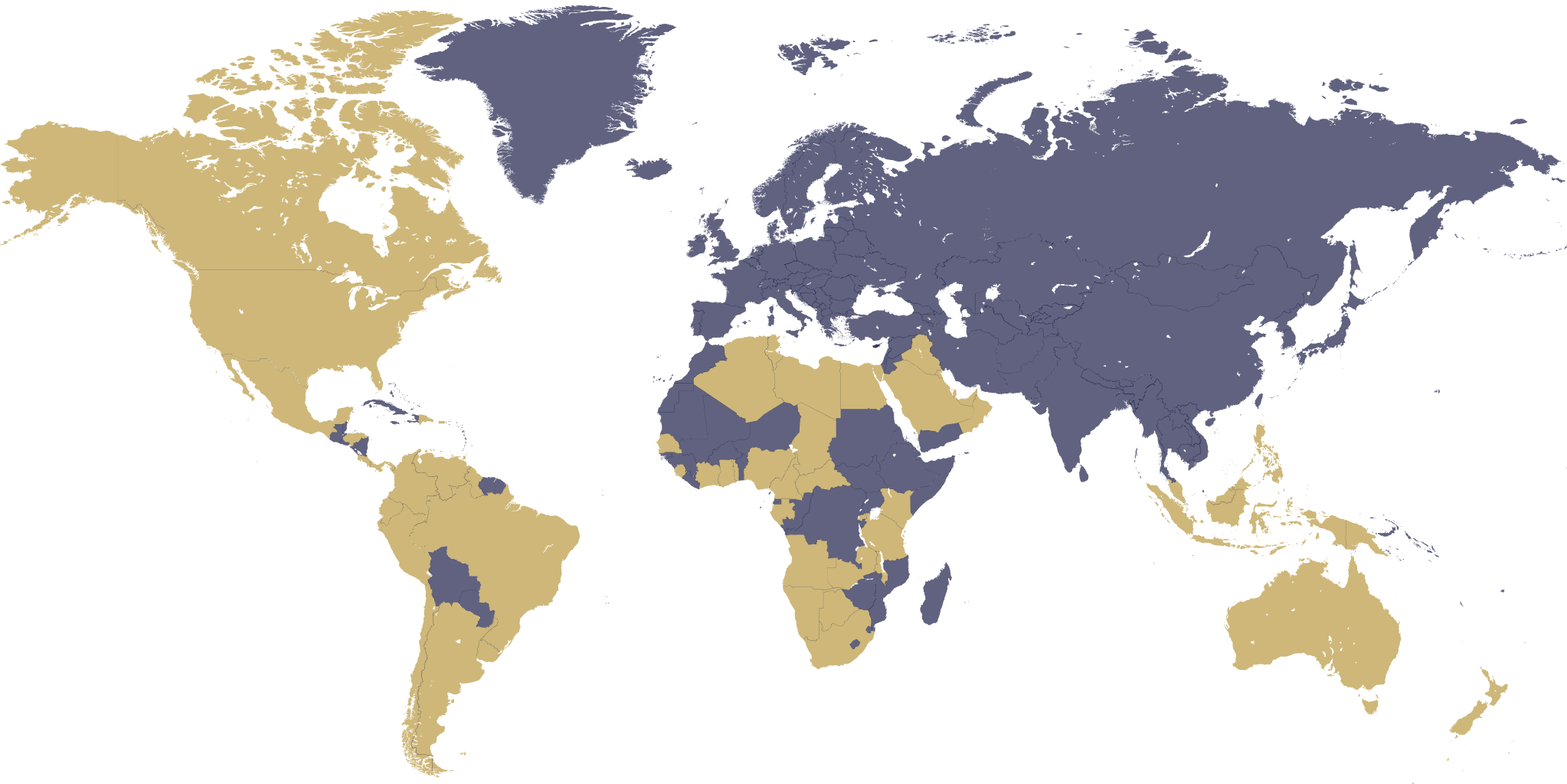
Q4 2025 Researched Locations and Upcoming Q1 2026 Locations

AIRINC researches more than 150 locations each quarter.
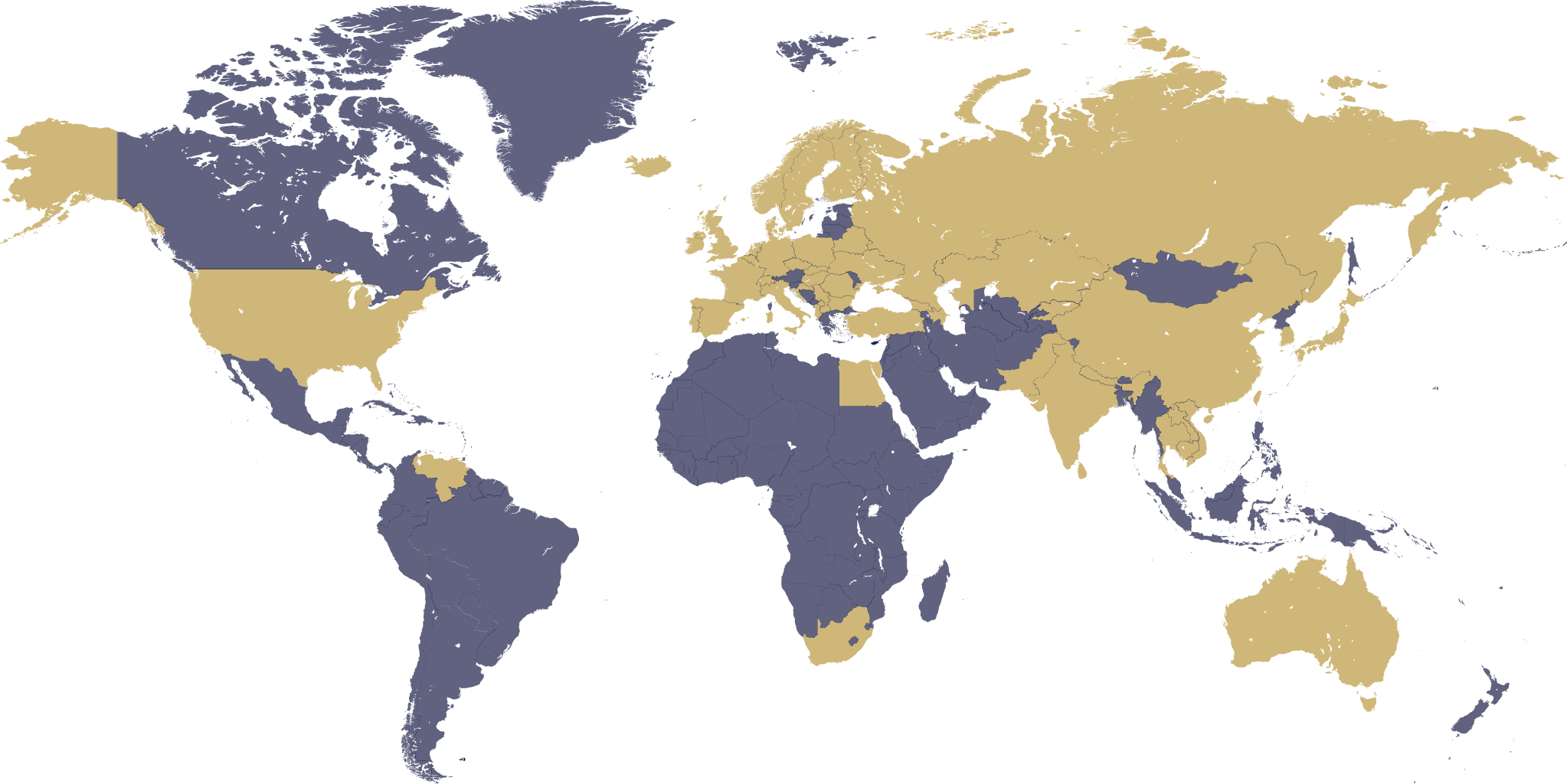
Q4 2025 Researched Locations
Q1 2026 Upcoming Locations

Webinar: Back to Basics

Recorded Webinars

2025: Back to Basics on the Balance Sheet

Watch this informative session on the balance sheet where we discuss:

  • Back to basics: the fundamentals of the Balance Sheet Approach and its primary components (taxes, goods & services, housing, and savings)
  • Best practices for maintaining the Balance Sheet over time
  • Scenarios for using the Balance Sheet
AirInc mobility outlook survey 2025 cover

Benchmark Surveys

2025 Mobility Outlook Survey

The 2025 Mobility Outlook Survey is here, redesigned to capture your perspective on the forces shaping Mobility’s future. The findings? Global Mobility is evolving, balancing competing priorities, driving talent growth, and adapting to the demands of an agile workforce.

AirInc simplifying cross border moves where do you start cover

Back To Basics

Simplifying Cross-Border Moves: Where do you Start?

What are the critical decisions that companies must navigate when sending an employee abroad – whether it’s the company’s first international move or their 100th? Explore this practical guide that looks at the key considerations for cross-border moves – from selecting the right talent and ensuring compliance to structuring cost-effective compensation and delivering ongoing support.

Recorded Webinars

Mobility Tax 101 – Foundations of Global Mobility Taxation

Taxes are often one of the most complex issues that impact companies with mobile employees. “Mobility Tax” refers to the employer tax considerations for having mobile employees, as well as the individual tax issues that an employee faces when they are mobile.  In this first session, we discuss:

  • Taxation of typical mobility scenarios
  • The basics of international mobility taxation, including: A country’s right to taxation (where does it start?); Income tax; Social security; Payroll
  • Income, expenses, and allowances of mobility: What’s taxable and what’s not?
  • An introduction to gross-ups

For More Information

Please contact your Client Services representative for more details and further information.

Share This